How to Sell a Business in Alaska

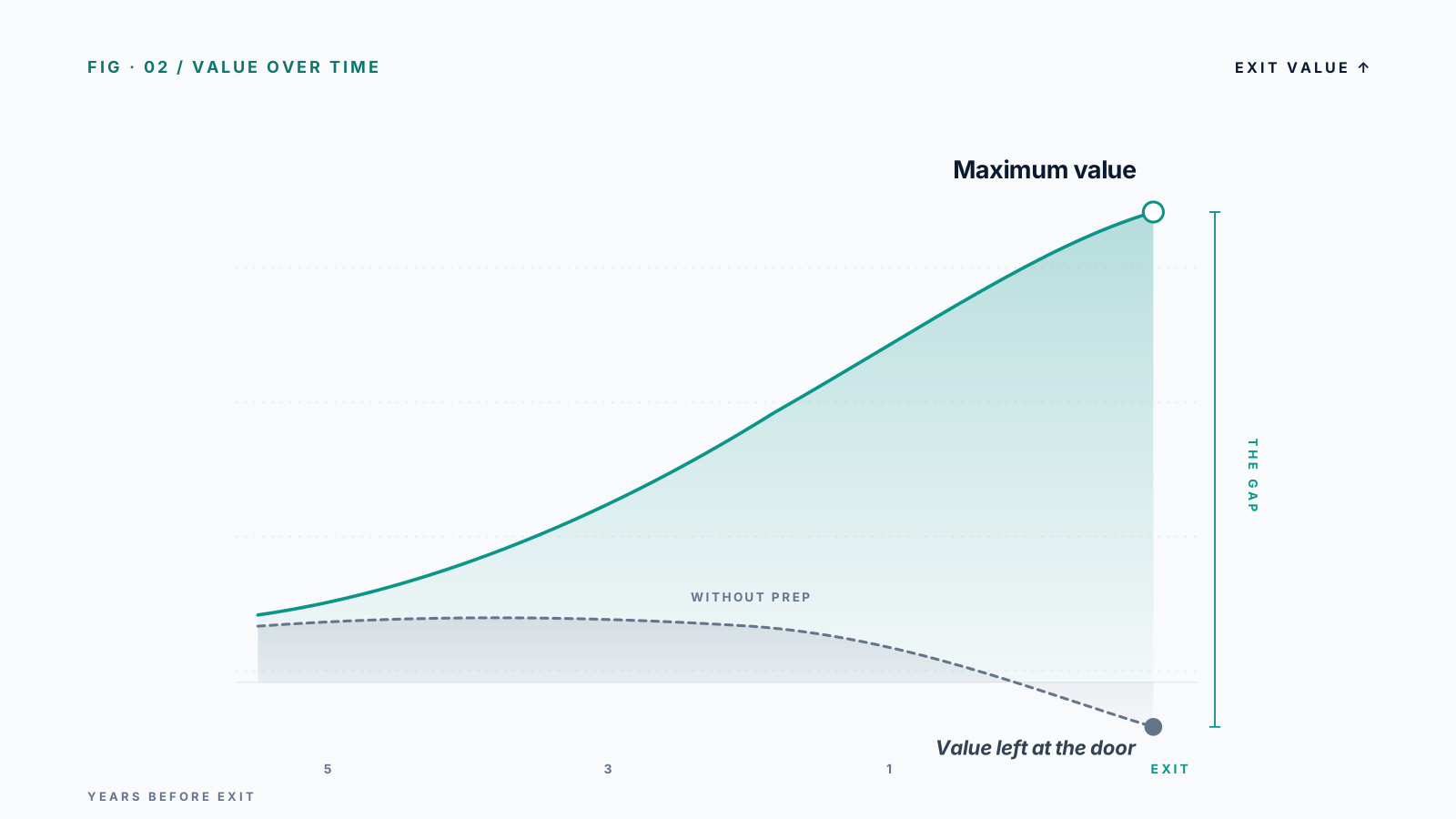
Alaska's small business landscape is shaped by seasonal revenue cycles, geographic remoteness, and a buyer pool that skews heavily local. These factors make preparation more important here than almost anywhere else. A well-prepared seller in Alaska commands better terms and finds qualified buyers faster than one who enters the market without a plan.

73,000+
small businesses in Alaska
SBA Office of Advocacy, 2024
45%
of AK business owners are 55 or older
U.S. Census Bureau
$500K–$2M
typical transaction range for AK main-street businesses
BizBuySell AK data
12–18 mo.
average time to close a business sale in Alaska
Alaska SBDC

Nearly half of Alaska's privately held businesses are owned by Baby Boomers, and the state's SBDC estimates that thousands of those businesses will come to market over the next decade as owners approach retirement.

Get the free Alaska seller checklist

A plain-language document checklist built for Alaska business owners. Know exactly what to organize before any advisor conversation.

3 years of tax returns and financials
Key customer and vendor contracts
Corporate documents and licenses
Employee records and org chart

No spam. We will send the checklist and occasional resources for Alaska sellers. Unsubscribe anytime.

Top industries for business sales in Alaska

Construction & ContractingTourism & HospitalityOil Field ServicesHealthcare & Medical PracticesFishing & Seafood Processing

Industry-specific guides for Alaska sellers

Each industry has distinct valuation drivers, buyer pools, and deal structures. Select your industry for specific guidance.

Construction

Alaska's construction sector is consistently one of the strongest in the state, driven by infrastructure investment, mil...

Read guide
Restaurant & Hospitality

Alaska's tourism industry creates strong seasonal revenue for hospitality businesses, but that seasonality must be norma...

Read guide
Healthcare Practice

Healthcare practices in Alaska face a persistent provider shortage that creates strong demand from both individual pract...

Read guide
Professional Services

Accounting firms, law practices, engineering consultancies, and staffing agencies in Alaska benefit from a captive marke...

Read guide

City-specific guides for Alaska

Buyer pools, transaction activity, and market conditions vary significantly by city. Find your market below.

Anchorage

Anchorage is home to more than half of Alaska's population and serves as the state's primary commercial hub.

20,000+ businesses
View city guide
Fairbanks

Fairbanks is Interior Alaska's economic center, driven by military, university, and resource extraction activity.

4,500+ businesses
View city guide
Juneau

As the state capital, Juneau has a stable government and professional services economy.

3,000+ businesses
View city guide
Wasilla

The Mat-Su Valley's fastest-growing community, Wasilla serves as a retail and services hub for a rapidly expanding regional population.

2,500+ businesses
View city guide
Sitka

Sitka's economy is anchored by fishing, healthcare, and education.

900+ businesses
View city guide

Common questions from Alaska business owners

How long does it take to sell a business in Alaska?

Most Alaska business sales take 12 to 18 months from the decision to sell to close. That timeline includes preparation (3 to 6 months), marketing and buyer outreach (3 to 6 months), due diligence and negotiation (2 to 4 months), and closing. Remote location and a smaller buyer pool can extend timelines compared to the Lower 48.

Do I need a business broker to sell my Alaska business?

Not always, but for most transactions over $500K a qualified broker significantly improves outcomes. Alaska has fewer active brokers than most states, so vetting credentials and transaction experience carefully matters. The Alaska SBDC can also provide pre-sale preparation support at no cost.

How does seasonal revenue affect my business value in Alaska?

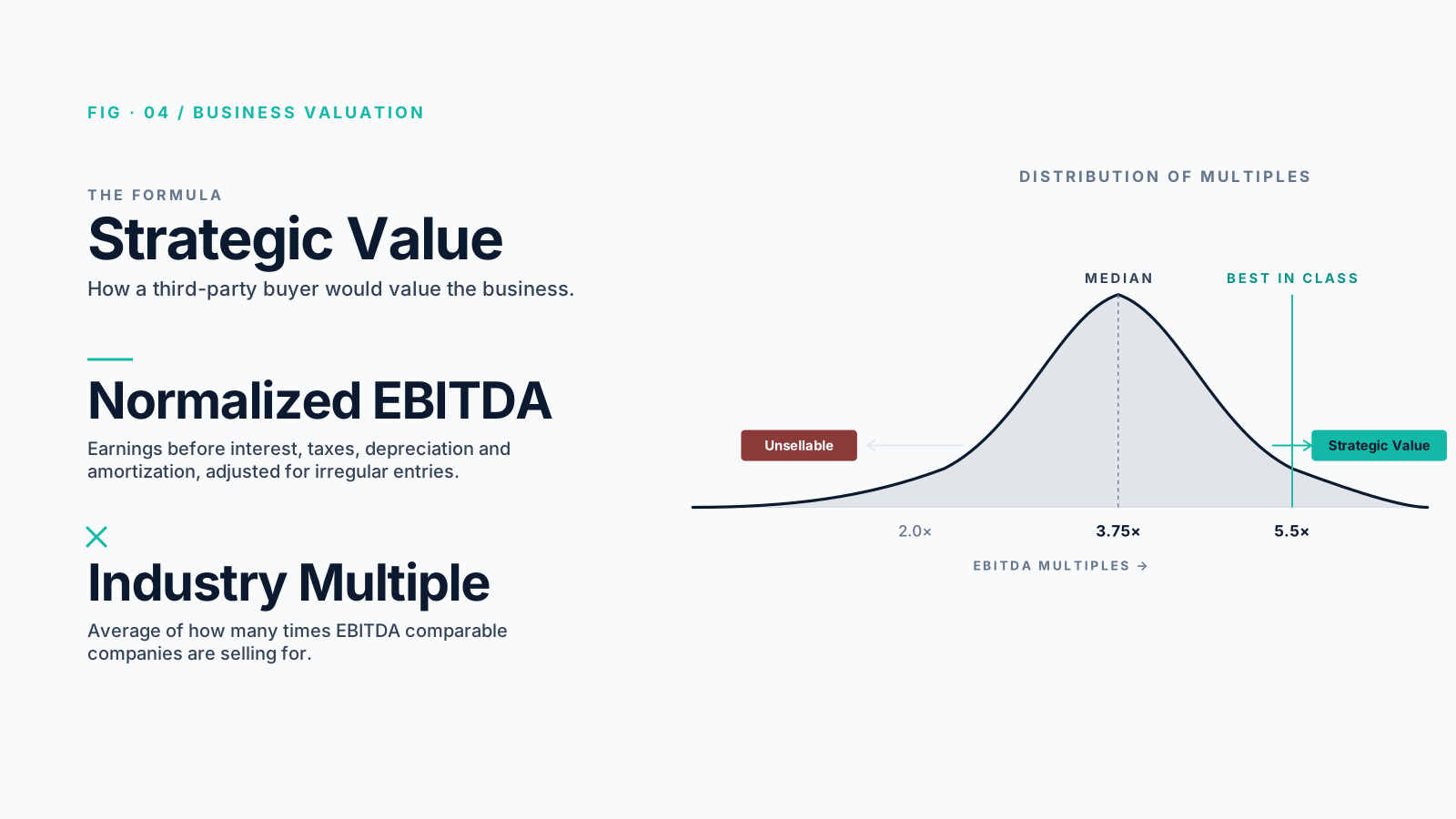
Seasonal revenue is normal in Alaska and buyers are accustomed to it. The key is normalizing your financials properly by presenting a trailing twelve months alongside seasonal peaks, explaining your off-season cost structure, and demonstrating that the business is stable year-round. Unexplained seasonal spikes without context make buyers nervous.

Free · no account required

Start with the free crash course

Seven lessons covering valuation, timing, brokers, due diligence, and deal terms. Built for owners with $500K to $25M in revenue. Takes about 30 minutes.